Introduction: Why Digital Marketing Matters in 2026
Digital marketing has become one of the most important factors in modern business success. Whether you run a small business, an online store, or a large company, having a strong online presence is essential for attracting customers and building a recognizable brand.
In 2026, competition in the digital world continues to grow. Customers research products, compare services, read reviews, and search for reliable businesses before making purchasing decisions.
A well-planned digital marketing strategy helps businesses reach the right audience, build trust, generate leads, and increase sales.

1. What Is Digital Marketing?
Digital marketing refers to the promotion of products, services, and brands through online channels and digital technologies.
Unlike traditional advertising, digital marketing allows businesses to target specific audiences, measure campaign performance, and optimize their marketing activities using real data.
The main digital marketing channels include:
- Search Engine Optimization (SEO).
- Social media marketing.
- Google Ads and paid advertising.
- Content marketing and blogging.
- Email marketing.
- Video marketing.
- Website development and optimization.
2. SEO Optimization: Building Long-Term Online Visibility
Search Engine Optimization (SEO) is the process of improving a website so that it appears higher in search engine results.
When potential customers search for products or services related to your business, SEO helps your website become more visible to those users.
Key Elements of SEO
- Keyword Research: Identifying search terms used by your potential customers.
- Quality Content: Publishing original and useful articles.
- Technical SEO: Improving website speed, mobile usability, indexing, and structure.
- On-Page SEO: Optimizing headings, titles, meta descriptions, images, and internal links.
- Link Building: Developing relevant backlinks and website authority.
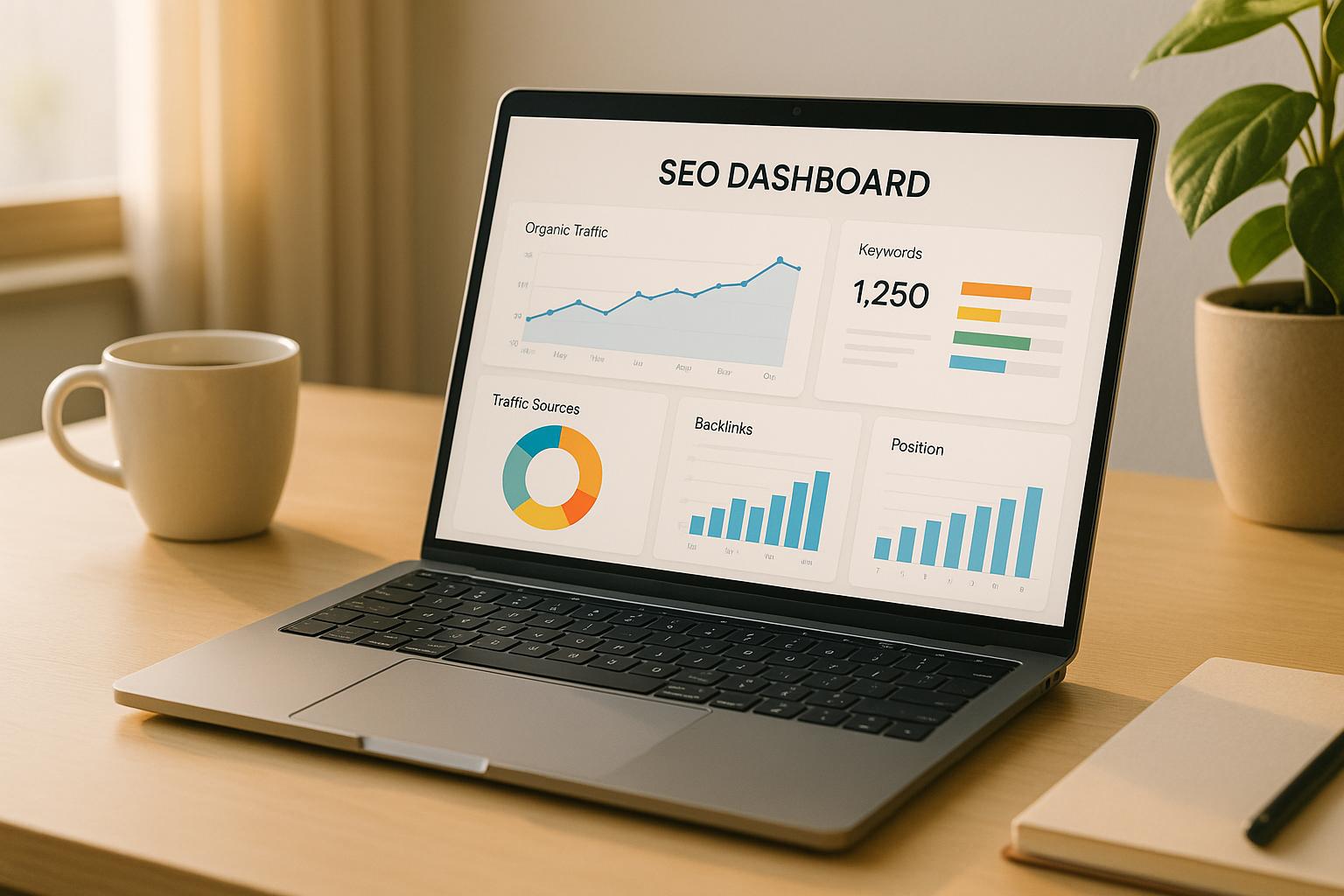
One of the biggest advantages of SEO is its ability to generate long-term organic traffic without paying for every individual click.
3. Social Media Marketing: Connecting with Your Audience
Social media platforms have become essential communication channels for modern businesses. Facebook, Instagram, TikTok, and LinkedIn offer opportunities to promote services, showcase products, and connect directly with potential customers.
Successful social media marketing requires more than simply publishing occasional posts. Businesses need a consistent content strategy that attracts attention and encourages engagement.
Types of Content That Work Well
- Educational posts and practical tips.
- Short-form videos and Reels.
- Product and service presentations.
- Customer testimonials.
- Behind-the-scenes content.
- Promotional campaigns and special offers.

It is important to focus on the platforms where your target customers are most active. Managing two relevant platforms effectively is often better than maintaining several inactive profiles.
4. Content Marketing: Creating Content That Builds Trust
Content marketing focuses on creating and distributing valuable information to attract and retain customers.
Instead of constantly promoting products and services, businesses provide useful information that helps people solve problems, learn new skills, and make informed decisions.
Effective content marketing formats include:
- Blog articles and professional guides.
- Video tutorials.
- Infographics and educational visuals.
- Case studies.
- Product comparisons.
- Frequently asked questions.
Consistently publishing valuable content can improve brand authority, increase website traffic, and support long-term SEO performance.
5. Google Ads: Reaching Customers Through Paid Advertising
Google Ads allows businesses to display advertisements to people searching for specific products and services.
Companies can choose their advertising budget, target locations, select relevant keywords, and reach audiences who are actively looking for solutions.
Successful campaigns depend on several factors:
- Relevant keyword selection.
- Compelling advertising copy.
- Optimized landing pages.
- Clearly defined campaign goals.
- Continuous performance monitoring.
Paid advertising can generate faster visibility than SEO alone, but it requires careful planning and budget management.
6. Email Marketing: Building Long-Term Customer Relationships
Email marketing is an effective way to communicate directly with existing and potential customers.
Businesses can use email campaigns to share company updates, useful information, special offers, product announcements, and educational content.
Email Marketing Best Practices
- Collect email addresses with appropriate consent.
- Send relevant and valuable messages.
- Write clear and engaging subject lines.
- Segment subscribers based on their interests.
- Provide a simple unsubscribe option.
- Track campaign performance.
A well-managed email marketing strategy can help businesses maintain customer relationships and encourage repeat purchases.
7. Artificial Intelligence in Digital Marketing
Artificial Intelligence (AI) is transforming the way businesses approach digital marketing. Modern AI tools can help marketers create content, analyze data, research audiences, and automate repetitive tasks.
AI can support marketing activities such as:
- Generating blog and social media content ideas.
- Preparing marketing campaign drafts.
- Creating and editing visual content.
- Analyzing customer behavior.
- Personalizing marketing messages.
- Automating customer communication.
However, AI should be used as a productivity tool rather than a complete replacement for human creativity, expertise, and strategic decision-making.
8. Why Your Website Is the Foundation of Digital Marketing
Your website is often the central point of your digital marketing strategy. It is where potential customers learn about your company, explore your services, and decide whether to contact you.
A professional business website should be:
- Fast and technically optimized.
- Mobile-friendly and responsive.
- Easy to navigate.
- SEO-friendly.
- Secure and regularly maintained.
- Designed with clear calls to action.
A well-designed website can turn visitors into leads and customers by making it easy to find information and take action.
9. Measuring Digital Marketing Performance
One of the greatest advantages of digital marketing is the ability to measure results and make decisions based on real data.
Important performance indicators include:
- Website Traffic: The number of visitors to your website.
- Conversion Rate: The percentage of visitors who complete a desired action.
- CTR: The ratio of clicks to impressions.
- CPC: The average cost per advertising click.
- CPA: The cost of acquiring a customer or conversion.
- ROI: The return generated by your marketing investment.
Tools such as Google Analytics 4 and Google Search Console help businesses understand website performance, identify opportunities, and improve marketing strategies.
Conclusion: Digital Marketing Is an Investment in Business Growth
Digital marketing is much more than publishing social media posts or launching paid advertising campaigns. It combines strategy, creativity, technology, and data analysis.
Businesses that invest in professional websites, SEO optimization, quality content, social media marketing, and effective advertising can build stronger brands and attract more potential customers.
The key to success is understanding your audience, setting clear goals, and continuously improving your digital marketing strategy.
How Can Digital Zones Help Your Business?
Digital Zones provides digital services designed to help individuals, entrepreneurs, and businesses improve their online presence.
Our services include:
- Professional WordPress website development.
- SEO optimization and online visibility improvements.
- Social media management and content creation.
- Video editing and digital content production.
- Website maintenance and technical IT support.
Ready to grow your business online?
Visit Digital Zones and discover how our digital services can help you build a stronger online presence and achieve your business goals.
Join the conversation